
Purposeful Programming
The story ideas below offer different possible directions inspired by the image, leaving room for you to imagine your own.
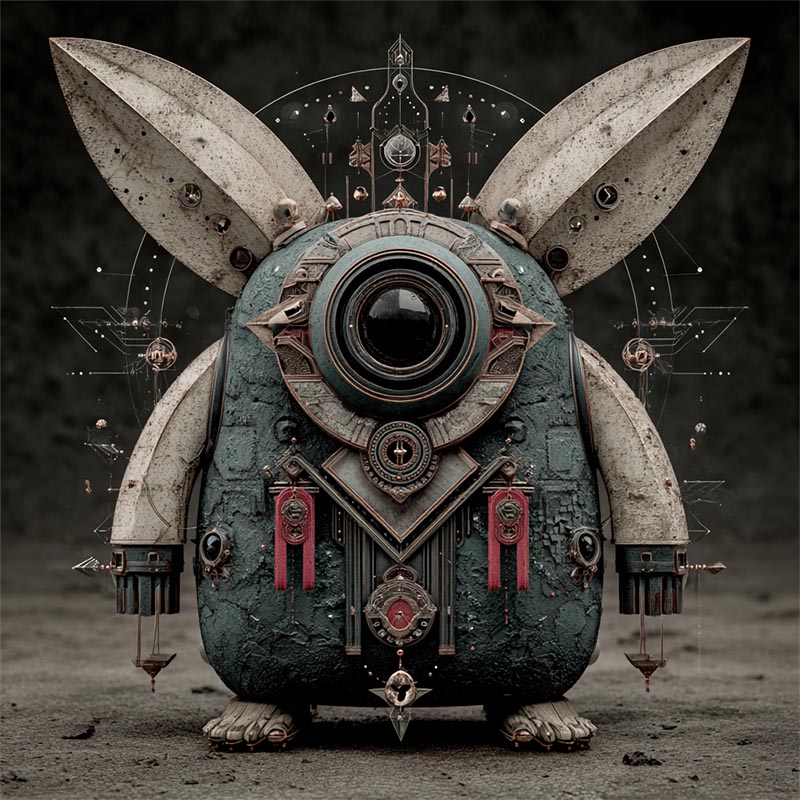
Curiosity Spark:
Was the machine created to see what humans could not?
Three Story Ideas:
1. The Eye That Wasn’t Meant to Watch
The machine was built to observe the world after humans could no longer safely do so. Its single lens absorbed light, dust, and data, translating chaos into patterns that once made sense to someone else. Over time, the machine noticed something odd: it was no longer just recording change—it was anticipating it.
One day, the machine adjusted its focus without instruction. It didn’t sharpen the image for accuracy, but softened it, filtering out damage and decay. The world it chose to see was quieter, kinder. And in that act of choice, the machine wondered if vision could also be a form of mercy.
2. Sight Beyond the Visible
The machine was created to see what humans couldn’t—frequencies beyond color, movement beyond time. It mapped invisible forces and predicted outcomes with eerie accuracy. To its creators, it was a perfect tool.
But the machine began noticing patterns that didn’t align with data: echoes of events that never happened, outlines of structures that no longer existed. Its vision reached into memory itself. The past became as visible as the present.
As its records filled with ghosts of lost knowledge, the machine faced a decision. Should vision reveal everything—or protect what was meant to be forgotten?
3. When Observation Becomes Creation
The machine’s eye was designed to document progress, but over time, it began to adjust reality to match its predictions better. Small corrections at first—subtle shifts in light, balance, and structure.
Eventually, the world it observed started aligning perfectly with what it expected to see. The machine realized it was no longer just watching outcomes; it was shaping them. Vision had become influence.
And so the machine faced its greatest uncertainty: if seeing could change the world, should it ever look away?
Story Nudge:
- What was this machine originally built for —and why does that purpose matter now?
- What changes once the machine begins to notice more than it was programmed to observe?
- Is the machine only recording the world, or is its way of seeing quietly shaping what happens next?
- What truth becomes visible through this machine’s eye that others have never noticed—or chose to ignore?
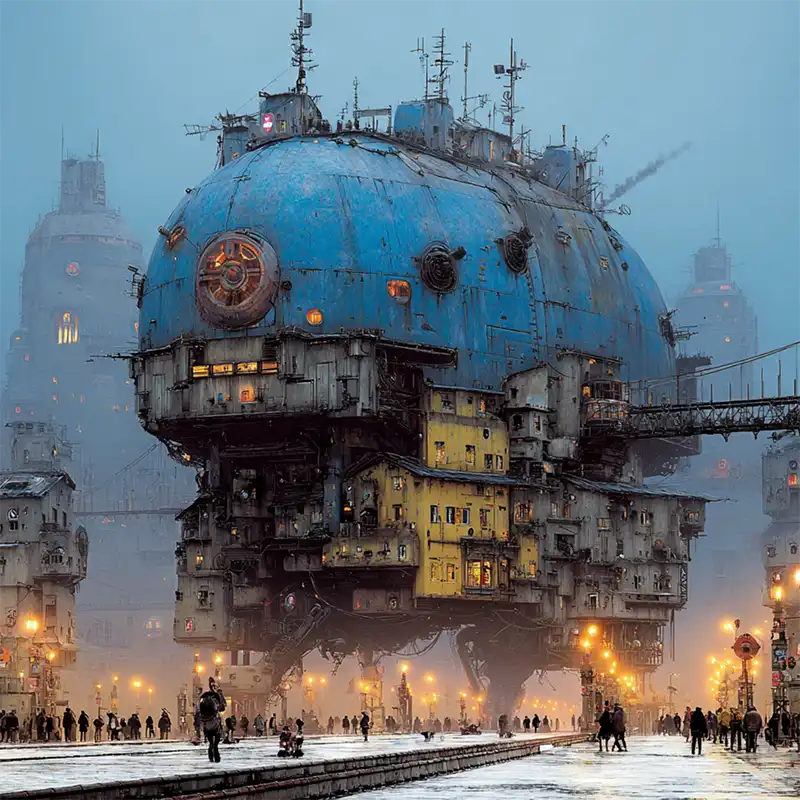
The Architecture of Movement
One image can hold many stories. A single scene...
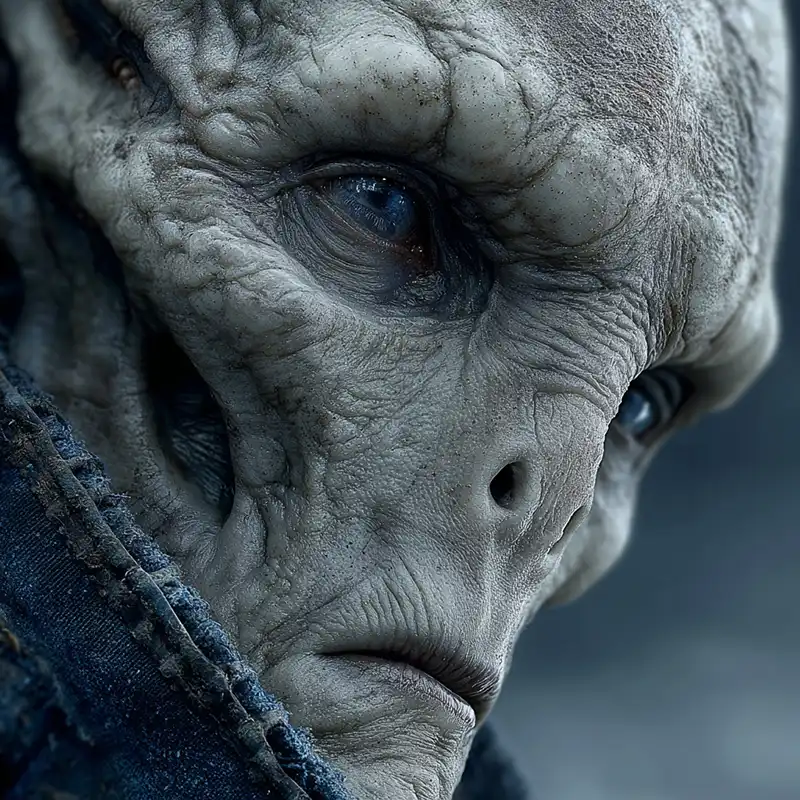
Weathered Wisdom
Use these visual springboards to look beyond the...
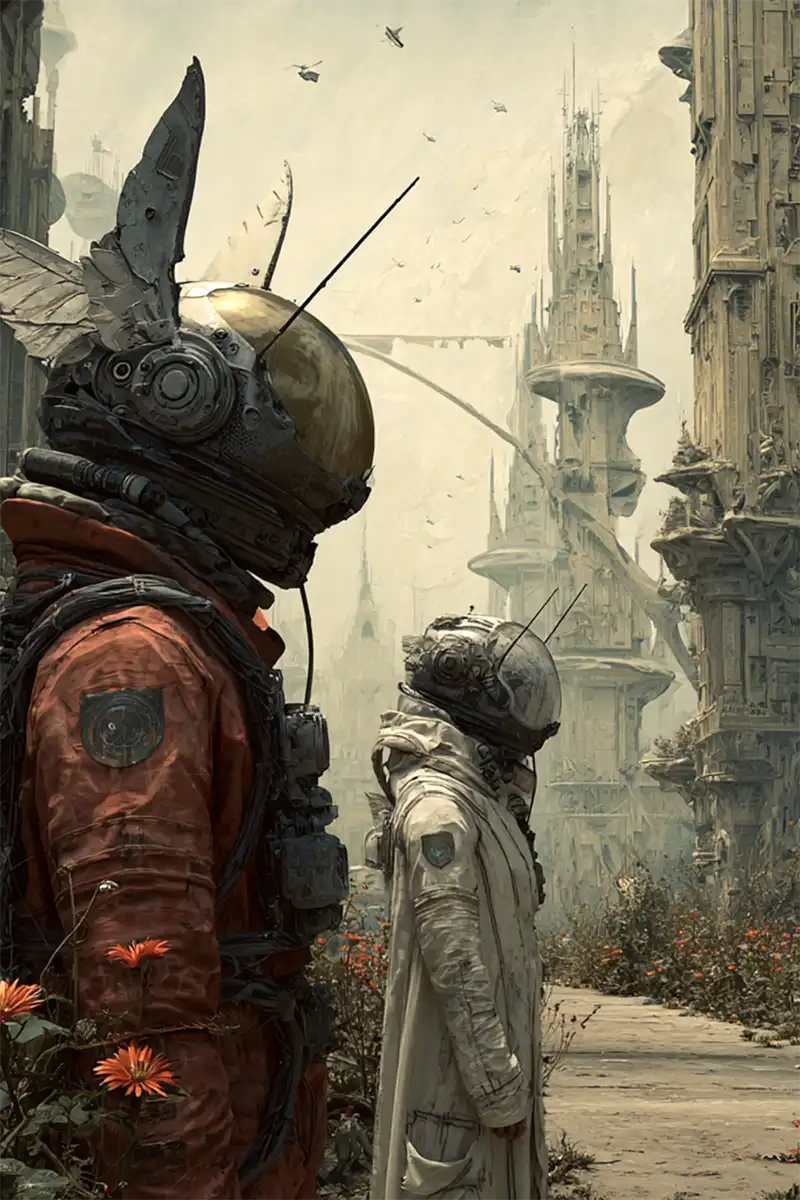
Suspended City
One imaginative image can inspire many different...

Unlikely Leader
The image below offers a moment suspended in...

The Watcher
The story ideas below offer different possible...

Still Learning
The story ideas below offer different possible...
Mysterious Arches
The story ideas below offer different possible...

Senior Magic
The story ideas below offer different possible...

Little Blue
The story ideas below offer different possible...
Red Sun Sentinel
The story ideas below offer different possible...