
Story Ideas Inspired by Images
One image. Three possible story directions.
Creative Aide Story Ideas uses imaginative images to boost creativity and open unexpected story possibilities. Each image comes with three open-ended story ideas—different possible beginnings that give you a clear starting point without telling you what to write.
Creative story image inspiration.
These are not prompts or templates. They’re creative examples—moments, tensions, or directions you can reshape, combine, or completely ignore as your own narrative takes form.
Start with an image. Explore a few possibilities.
Each image also includes optional story-nudge questions to help you explore ideas—without pressure, rules, or a “right way” to write.
Content is organized in categories and themes — adventure, friendship and relationships, wonder and curiosity, hybird entities, and more — so you can browse what interests you, or explore all images through our Image Story Idea Paths.
For a deeper look at how images can spark story ideas, visit the Creative Thinking page.
One image can hold many stories
Below are a couple examples, an assortment of images and ideas can be found on the Story Idea Paths page.
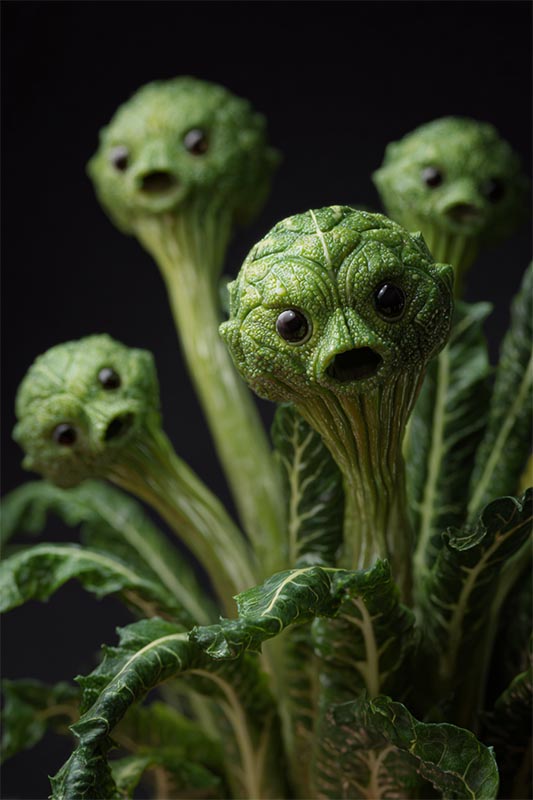
Curiosity Spark:
It feels as though the room is holding its breath, waiting for someone to notice that the salad is staring back.
1. The Vegetables Who Refused to Be Chopped
At a small café, a shipment of greens arrives looking normal—until the chef notices they appear to be watching everything. When prep time begins, the vegetables respond by inching closer together, forming a leafy, whispering huddle. The story can follow the chef’s internal debate: ignore it and make lunch anyway, or acknowledge that the produce might have opinions about being eaten. The comedy grows as the vegetables’ expressions seem less afraid and more… judgmental.
2. The Garden That Started Saying “Hello”
A quiet backyard garden begins producing leafy greens that seem… unusually attentive. Every morning, the plants tilt their heads toward anyone who walks by, reacting with wide-eyed interest and soft, breathy sounds that feel suspiciously like greetings. The gardener isn’t sure whether to be flattered or concerned—especially when the vegetables start leaning closer, as if waiting for a response. The story can explore the humor of realizing your food may have better manners than most people you know.
3. A Support Group for Confused Produce
In a whimsical fantasy world, these plant-creatures gather nightly to discuss their shared problem: they don’t know why they have faces. The story follows one particularly expressive vegetable who worries they’re “doing faces wrong” and fears scaring humans. The humor comes from the group’s earnest attempts to practice less alarming expressions—only to discover that humans find them unsettling no matter what they do.
Story Nudge:
- What emotion do these vegetable creatures seem to be expressing, and how might that shape the tone of the story?
- How would an ordinary human react if plants suddenly appeared aware or expressive?
- What small, everyday setting could make this strange situation even funnier?
- Are the vegetables harmless, misunderstood, or secretly in charge?

Curiosity Spark:
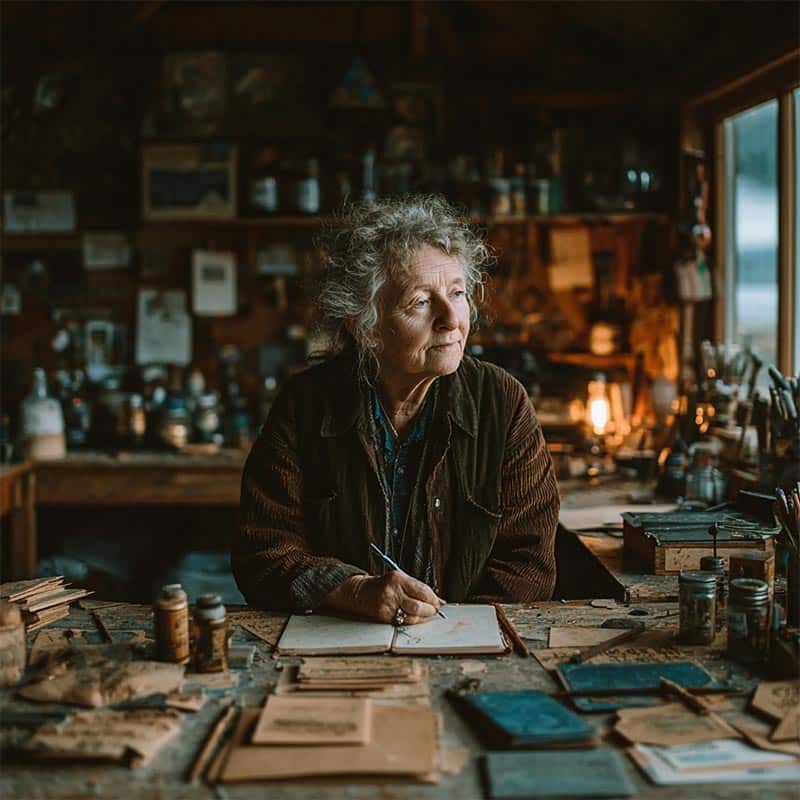
Time seems to slow down here, measured not by clocks, but by the steady movement of hands.
1. A Table Full of Small Beginnings
Nothing on the table is extraordinary by itself — simple tools, worn materials, familiar textures. Yet together, they represent something new. Each time she sits down to create, she’s beginning again, not to master a skill, but to keep discovering herself. The process matters more than the result, and the table becomes a place where curiosity is welcomed at any age.
2. Learning Slower, Seeing More
Her hands move carefully, unhurried, guided by experience rather than speed. She notices details she once would have rushed past — the softness of the fabric, the way the light falls across the table, the quiet rhythm of her breath. Creating becomes less about finishing and more about being present. In this slower pace, she finds a deeper satisfaction than she ever expected.
3. The Skill She Thought She’d Lost
She hasn’t made anything like this in years, maybe decades. At first, her hands hesitate, unsure where to begin, but soon they move with a quiet confidence she didn’t expect. The stitches aren’t perfect, but they feel familiar. As she works, she realizes the skill never disappeared — it simply waited for her to return to it. The act of creating becomes a reminder that parts of us remain intact, even when life pulls us in other directions.
Story Nudge:
- What does creating something mean to this person now, compared to earlier in their life?
- How does age change the way the character values time and effort?
- What emotions surface while working quietly with the hands?
- Is the finished object important — or is the act of making the real reward?
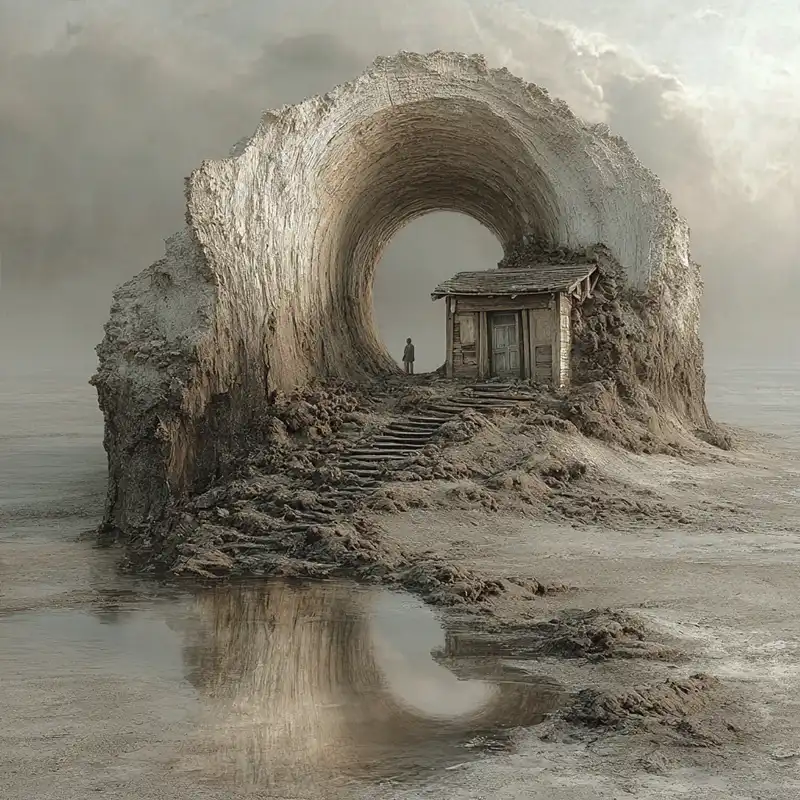
The Gate at the Edge of Everywhere
Something waits beyond the arch, but what it...
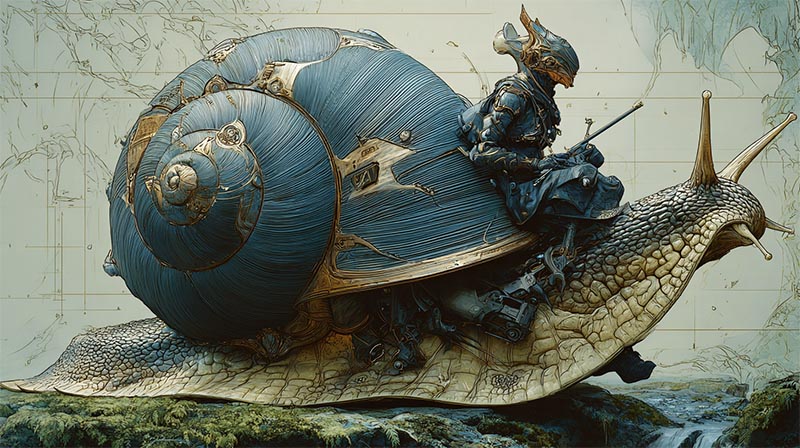
The Slow March of Heroes
Not every gesture is understood right away—but...
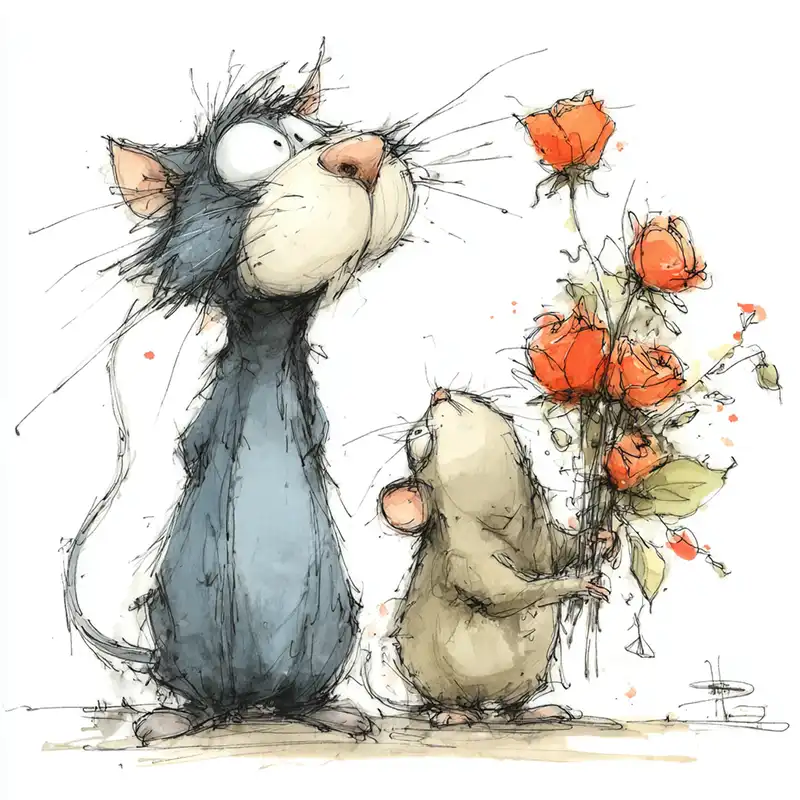
One Small Bouquet, Many Possibilities
Not every gesture is understood right away—but...

The Horizon Beyond the Last World
From a distant ridge, an explorer looks out over...
Past Mistakes Future Creations
The image of the artist in her studio captures a...
Pause
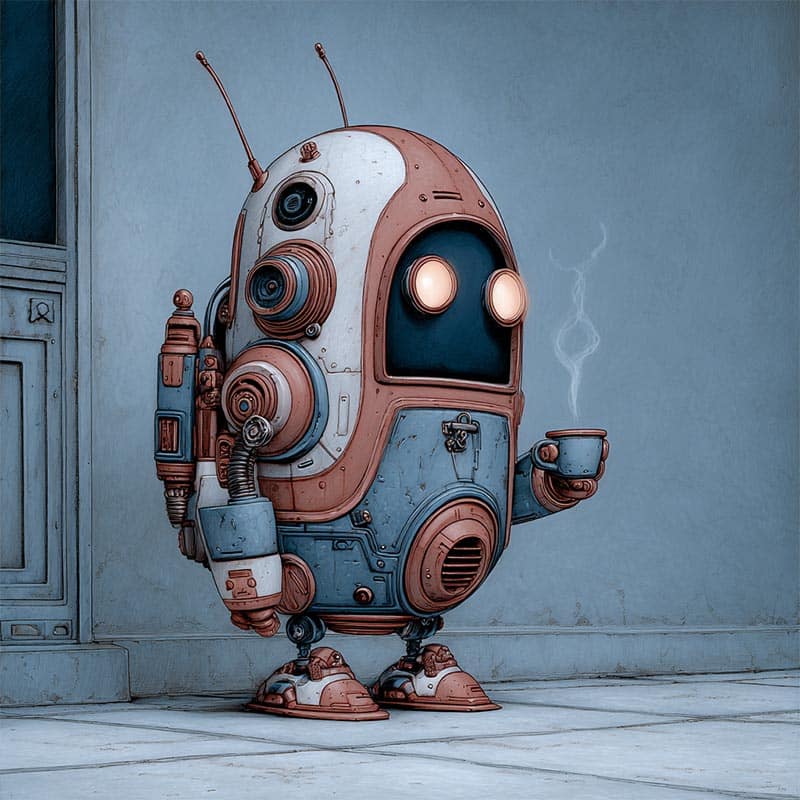
This image invites writers to explore a quiet,...